top of page
  • 1 min read

Updated: May 17, 2022


ree

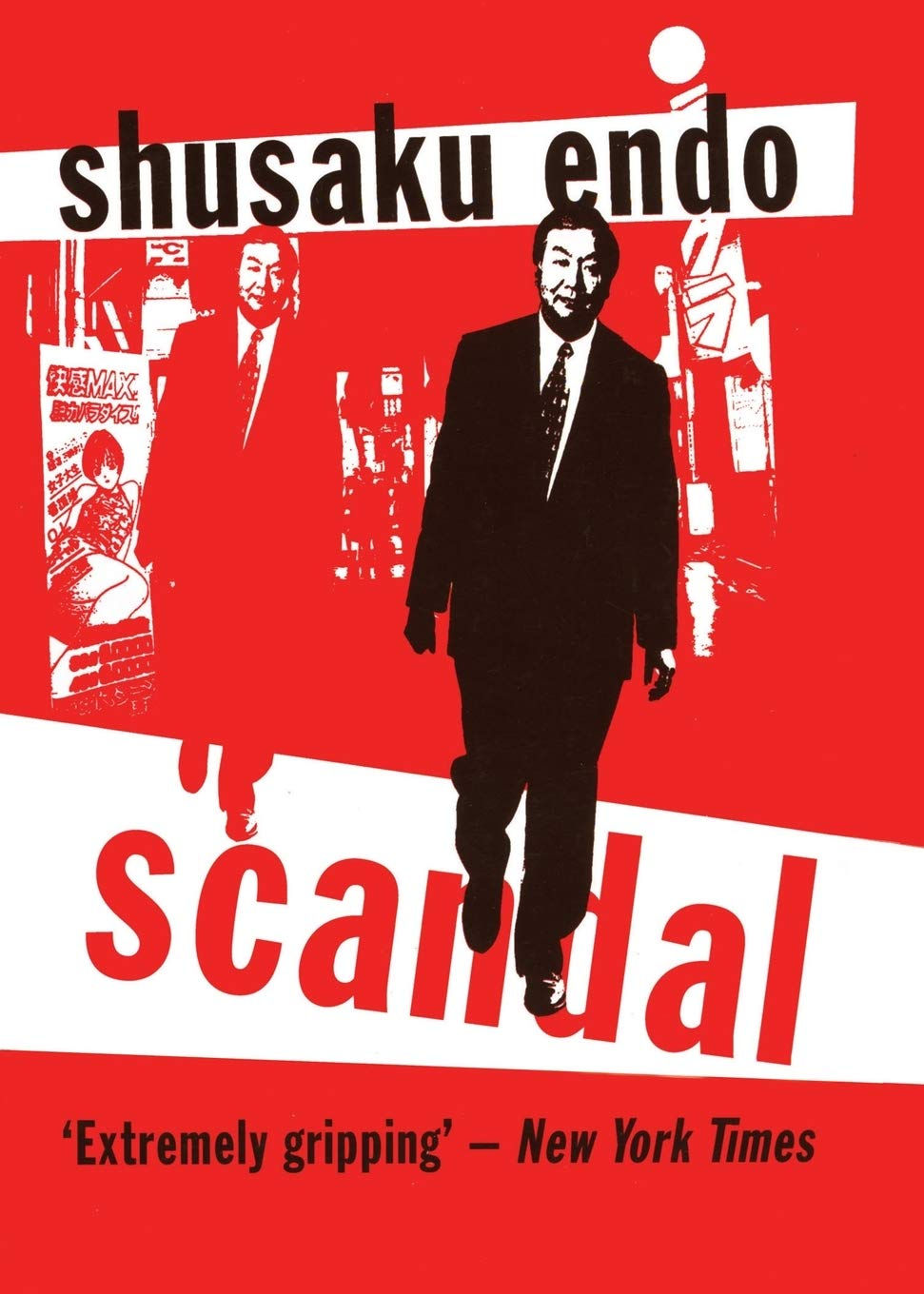
This 1986 novel by Shusaku Endo is a departure from a lot of his previous work, mainly historical fiction. Protagonist Suguro, a modern-day novelist similar in many respects to real-life Endo, receives an award for his writing at age 65. Leaving the ceremony he’s accosted by a drunken woman who blurts out that the revered Catholic author frequents a brothel in Shinjuku’s infamous Kabukicho district. Suguro, now convinced a doppelganger is out there bent on sullying his reputation, will seek out this double. Or is he actually him? Complicating the matter and stirring Suguro’s turmoil is a young girl he hires as an assistant and also a Madame Naruse, who volunteers as a nurse at a hospital for children by day, but by night is driven by a predilection for sadomasochism.

Although some parts didn’t cohere for me, I liked the story for its setting (Tokyo) and for how Endo maybe reveals aspects of his own character through the prose. But certain descriptions or words had me questioning the accuracy of the translation—I can’t put my finger on why I felt this exactly; they just didn’t seem like Endo’s. All in all, though, it’s a compelling read, and I’ve always been a sucker for doppelganger tales told to cast light on persona and bad behavior.

Updated: May 17, 2022


ree

After reading and enjoying Haruki Murakami’s A Wild Sheep Chase and Norwegian Wood, I was disappointed in his 2002 novel, Kafka on the Shore (海辺のカフカ). Parts stand out visually or amuse or offer some insight. All in all, though, it felt unnecessarily long and disorienting, and some of the dominant themes seemed adolescent, while the magic realism went too far for my taste. I like Murakami and look forward to reading his other work, but I wish I’d given this one a pass or read it some other time I might’ve gotten more out of it.

Updated: May 17, 2022


ree

The Burmese Harp (1956) (ビルマの竪琴) is a Japanese anti-war film directed by Kon Ichikawa and based on a novel for children (same name) by Michio Takeyama. It starts off at the end of WWII with a group of weary Japanese soldiers traversing the Burmese landscape. One plays a harp (saung), to which the others sing. They come to a village where the locals welcome them with food and a roof to rest under. After the meal, the locals quietly slip away, and the Japanese realize that British and Indian soldiers in the forest have surrounded them. The Japanese sing a song, to make the Brits believe they're not on to them, but then the Brits join in and for a while sing along with them, and the Japanese soon learn the war has ended.


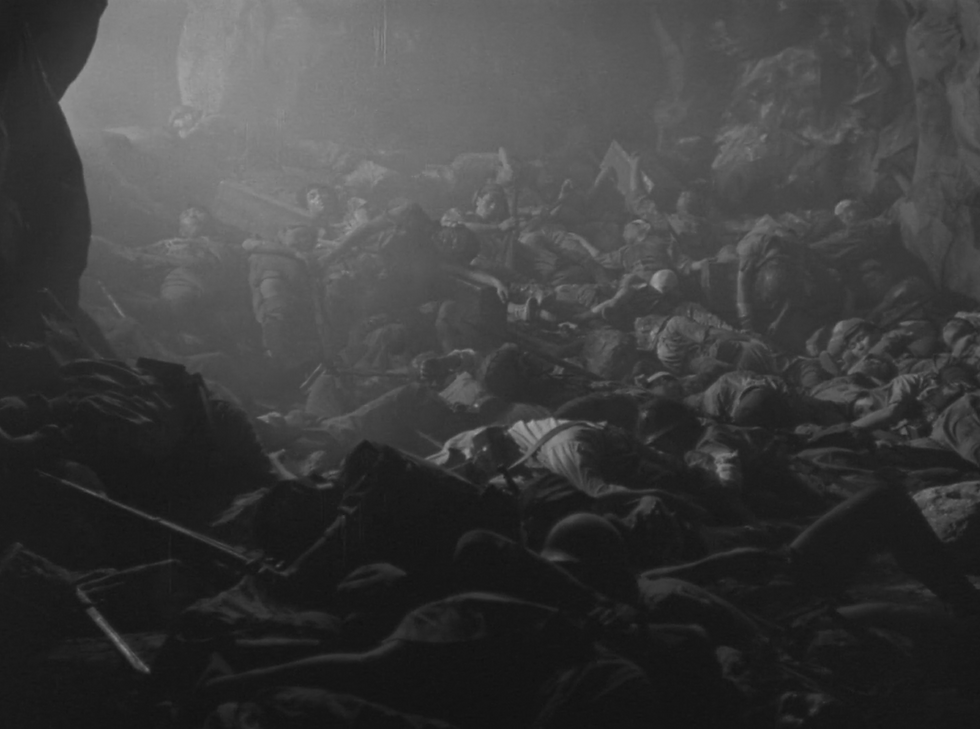
Private Mizushima (the harpist) is sent on a mission to convince another Japanese battalion to put down their weapons and peacefully leave the hillside cave where they've been holed up. He fails when the commander decides Mizushima must be lying or it's some trick of the enemy; after all, the Japanese would never surrender. The Brits resume their bombardment, and Mizushima is left for dead on the gravelly hill.


Captain Inouye and the rest of Mizushima's battalion have been taken to a camp in Mudon for prisoners, and before long come to believe that their dear Mizushima perished on his mission. But then while crossing a bridge over a river they pass a man who, although dressed like a Burmese monk, looks very much like their lost comrade. Could this be Mizushima?


The film is very good storytelling and beautifully shot. Ichikawa remade the film in color in the 80s, and apparently he wanted to shoot the original in color too but ultimately decided against it due to concerns about lugging the camera equipment in and out of certain shooting locations in Burma. Much of the film was shot in Japan, but the scenes in Burma stand out for their magnitude and cultural significance and must be among the earliest filmed there. It was nominated for an Academy Award in the "Best Foreign Language Film" category for 1957. It was also one of the first Japanese post-war films with a pacifist theme. Although the film doesn't touch on Japanese war atrocities in the region (it's been argued that Ichikawa wouldn't have been aware of those events at the time of filming), it does depict Japan's new post-war spirit, with the Buddhist ideal of altruism the main substance underlying the narrative.


ree

ree

ree

ree

ree

ree

ree

ree

ree

ree

ree

ree

ree

ree

ree

ree

bottom of page